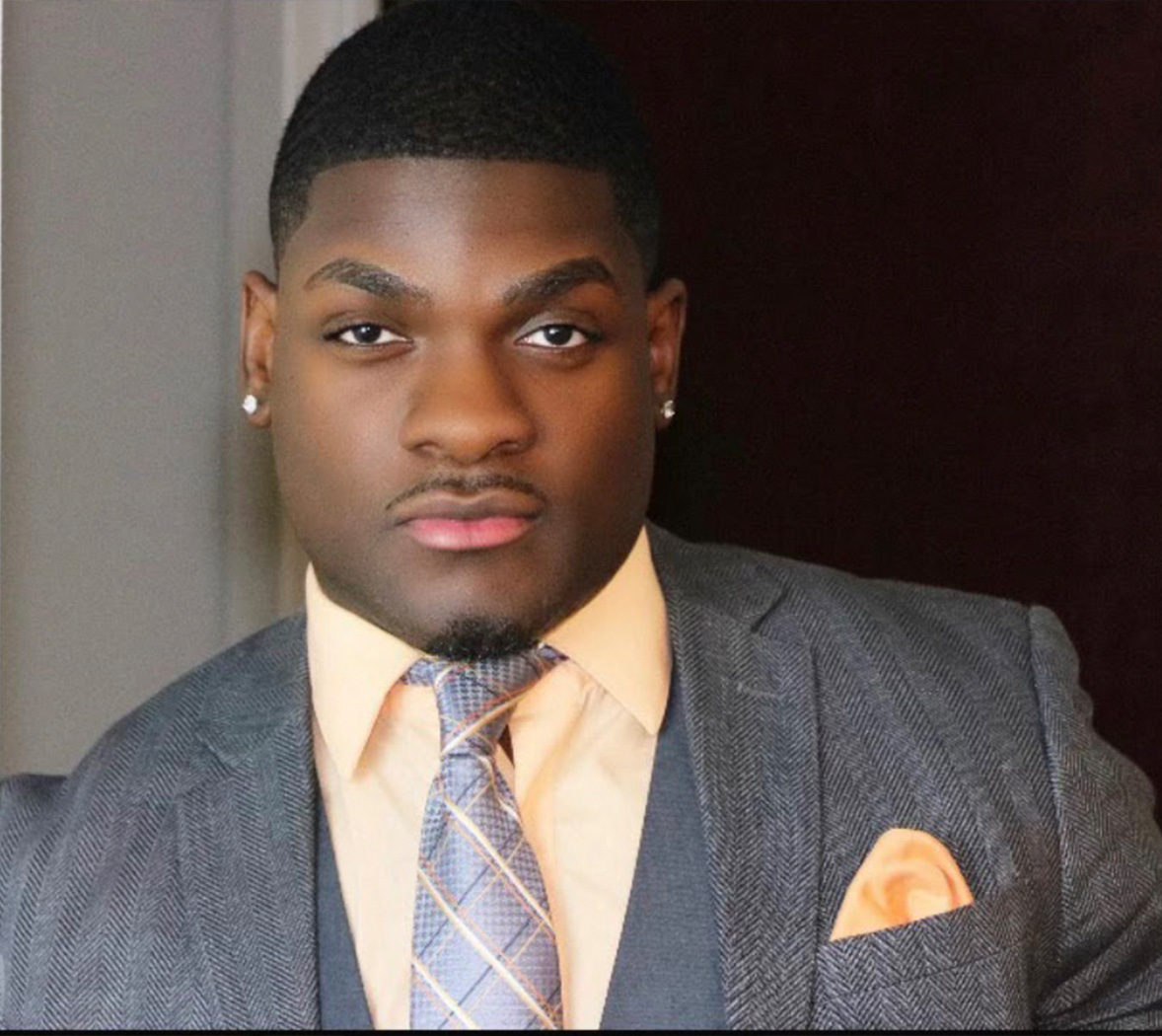
Mario plans to maintain his focus on Arts/Community throughout his professional career. "Everything about my life, history, and bloodline has encouraged me to pursue working in an industry where I can freely express my inner thoughts while validating and valuing the art of others that I enjoy," he explained. As a singer and a writer, his passion for the arts is an intrinsic part of his identity.
However, following this beat is not without challenges. Mario noted that covering music and art that delve into social injustices requires navigating the complexities of today’s sociopolitical environment. Despite these challenges, he remains unwavering in his dedication, stating, "I have to be specifically interested in something that I can relate to my own life and experiences in order for me to be passionate enough to mold and shape a career out of."
Mario’s approach to journalism reflects the core principles of his craft. "These principles aren’t just technical guidelines to me—they speak directly to the way I live and move as a reporter. I don’t just write for the sake of reporting. I write to connect—to make people feel seen, heard, and understood. I’m not writing for my sources; I’m writing for the people who never got a chance to tell their stories. And for those who don’t always have the words, I try to find them and offer them with love and care," he said.
"When I cover a story—especially within the arts and community—it’s not just about getting the facts. It’s about translating the heart of someone’s experience into something the world can feel. That’s how I see my role. The arts hold so much meaning in underrepresented communities, and it’s my responsibility to express that meaning in a way that honors the people behind it."
Mario believes that true journalism lives in proximity to truth. "I make it a point to go beyond the surface. I show up—in person, in spirit, in intention—because I believe that true journalism means being present in the room, at the open mic, in the crowd, on the street. That’s where the most beautiful, emotional, and necessary stories exist. I’ve seen firsthand how powerful it is when someone sees themselves reflected in a story I’ve written. That moment of connection is what keeps me going."
He continued, "I ask the questions people might be too tired, too afraid, or too overlooked to ask. Why does this matter? What will this change? Who gets to benefit? Who’s been left behind? Those aren’t just journalistic questions—they’re human ones. That’s how I try to approach my work: with empathy, truth, and a deep sense of care for the communities I represent."
Even through social media, Mario engages deeply with the culture he covers. "I use it to follow the pulse of the culture, to uplift voices that deserve to be heard, and to remind others (and myself) that storytelling still has the power to heal, inform, and inspire."
"At the end of the day, I’m not just covering a beat. I am the beat. It’s in my voice, my history, my art, my purpose, and my heart. As long as I’m here, I’ll keep using that to connect with the audience in a way that’s honest, emotional, and real," he concluded.
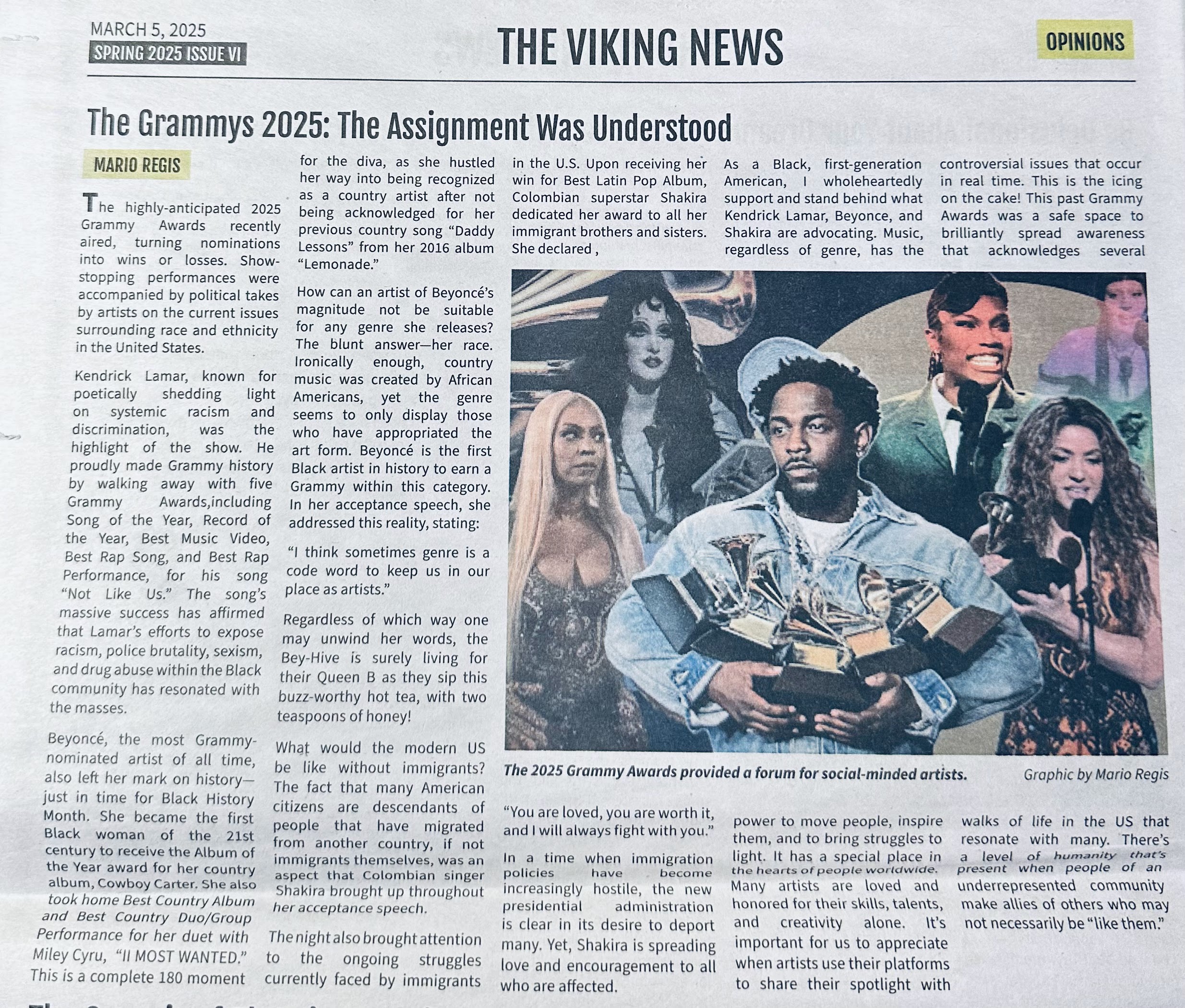
Through his work, whether writing about significant events like the Grammys or local productions like Avenue Q, Mario embodies the essence of a dedicated beat reporter. From his connection to the arts and his unwavering dedication to empathetic storytelling, it is evident that a beat is not just an assignment—it is a calling. Mario’s commitment to his craft teaches us that great journalism is about more than reporting facts; it’s about fostering meaningful connections, uplifting voices, and using storytelling to inspire and heal communities. His story is a testament to the profound impact that focused and passionate reporting can have on the world.